ESTADOS UNIDOS

-
ARGENTINA

-
BRASIL

-
MÉXICO

-
CHILE

-
COLOMBIA

-
PERÚ

-


Latest posts
30 de October de 2025
Share:



Florencia
AV & Collaboration Specialist
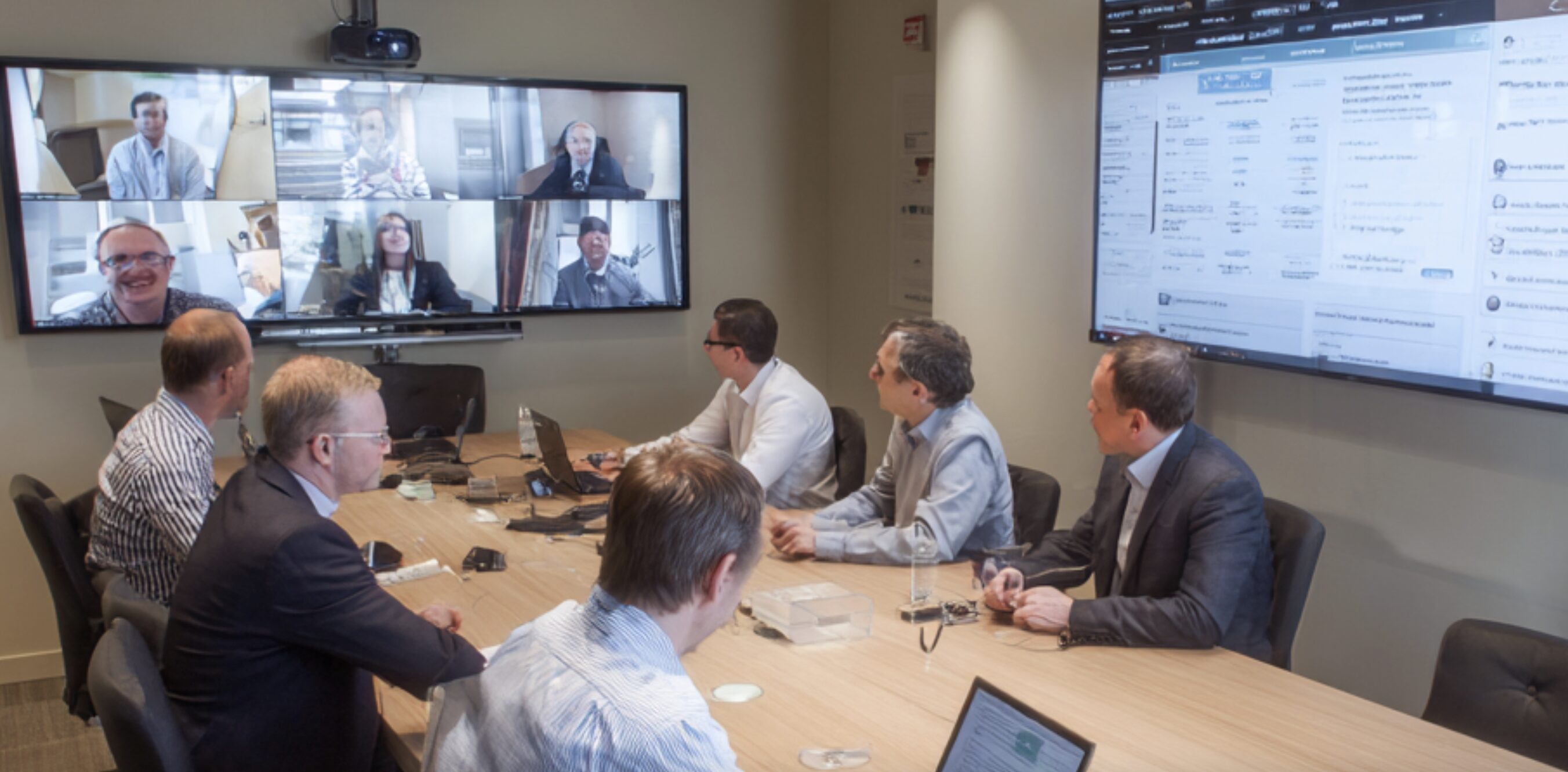
These spaces become convergence points where data and decisions intersect; their design and technology determine how quickly risks are validated and how effectively client and partner needs are addressed. A conference room in a bank or financial institution is much more than a set of chairs or a large screen. It is the place where strategic decisions are made—decisions that can impact millions of people, especially in the banking sector. In these spaces, information and people converge, and from that interaction, the direction of operations is defined. In this sector, where interactions must increasingly comply with regulations, meetings have become critical points where strategies are aligned, risks are validated, and decisions are made that affect both internal operations and client relationships. The way teams communicate is no longer a secondary aspect—it has become a key factor of competitiveness. In a market where customers demand immediacy and fintechs set new agility standards, having well-designed collaboration spaces makes all the difference. According to S&S Insider’s analysis, the global conference room solutions market will grow from $1.79 billion in 2024 to $6.40 billion in 2032, at an annual growth rate of 17.3%. This growth is driven by the adoption of hybrid work models and the growing need for efficient collaboration tools. In this context, modern conference rooms have become strategic assets for improving coordination, efficiency, and decision-making in financial institutions. Well-designed conference and meeting rooms are versatile spaces that can be used with clients, suppliers, internal teams, or remote offices. The key is to ensure a seamless experience without interruptions or technical barriers—whether for a business meeting or an operational review. It’s a common mistake to think that a camera and a screen are enough. When the image freezes, the sound fails, or tools don’t work properly, the meeting loses effectiveness. A well-designed room can include all-in-one solutions that integrate a camera, microphone, and speakers, BYOD compatibility to connect any device, interactive displays adapted to the space, automated control via sensors or touch panels, professional acoustic treatment, and integration with platforms such as Microsoft Teams, Zoom, or Google Meet. The impact of these rooms in the financial sector goes far beyond technical or aesthetic aspects. They are tools that help improve efficiency, reduce costs, ensure regulatory compliance, enhance customer experience, and foster internal digital transformation. A well-equipped room shortens decision-making times. Better-prepared meetings, effective technological integration, and environments that foster collaboration accelerate processes such as loan approvals or the launch of financial products. They also help reduce costs. Fewer trips or transfers mean direct savings, and better use of time allows staff to address important matters in fewer hours. This can translate into a lower cost per banking operation. In terms of compliance, rooms can be equipped with encryption systems, access controls, and communication auditing tools. These measures are essential for ensuring security and confidentiality in internal audits or meetings with regulators. They also strengthen client relationships. A strategic partner or corporate client values being able to participate remotely with the same quality as if they were in person. This builds trust and conveys professionalism. Internally, they are spaces that drive digital transformation. They enable the sharing of dashboards, real-time data analysis, and the integration of tools that enhance decision-making. They also promote a more collaborative culture. Banks are already using modern conference rooms for a variety of critical functions: internal coordination meetings to validate decisions with direct operational impact, sessions with third parties such as fintechs, suppliers, or regulators, technical training, investor presentations, and hybrid meetings where some participants are on-site and others join remotely. Not all rooms serve the same purpose. Banks typically operate with different archetypes designed for specific scales and functions: Each type meets a different need. But in all cases, interoperability with leading platforms such as Microsoft Teams, Zoom, or Webex is essential to ensure that both clients and external partners can integrate seamlessly into these spaces. The trend points toward smart rooms equipped with: IDC projects that by 2025, 33% of financial institutions will integrate enterprise systems with generative artificial intelligence to improve data ingestion and provide real-time insights. This technological adoption will further enhance the efficiency of conference room interactions and transform them into strategic spaces for decision-making. If you want your company to make the most of every meeting, contact our specialists. At Newtech Group, we can advise you on the most innovative solutions to ensure that every collaboration space delivers efficiency and productivity—starting with our meeting room solutions.The Strategic Importance of Conference Rooms in Banking
What Should Conference Rooms Include?
The Value They Bring to Banking
Practical Uses in Financial Institutions
What Types of Video Conference Rooms for Banking Does Newtech Group Offer?
Future Trends in Banking Conference Rooms
Share

If you are looking for advice on technological solutions
in videoconferences please write us!
"*" indicates required fields
© 2026 All rights reserved | newtechgroup.com