ESTADOS UNIDOS

-
ARGENTINA

-
BRASIL

-
MÉXICO

-
CHILE

-
COLOMBIA

-
PERÚ

-


Latest posts
15 de December de 2025
Share:



Florencia
AV & Collaboration Specialist
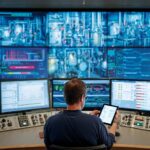
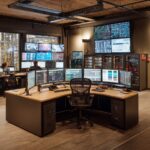
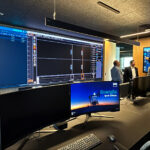
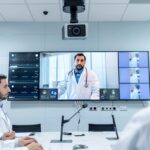
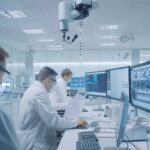
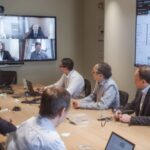
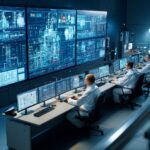
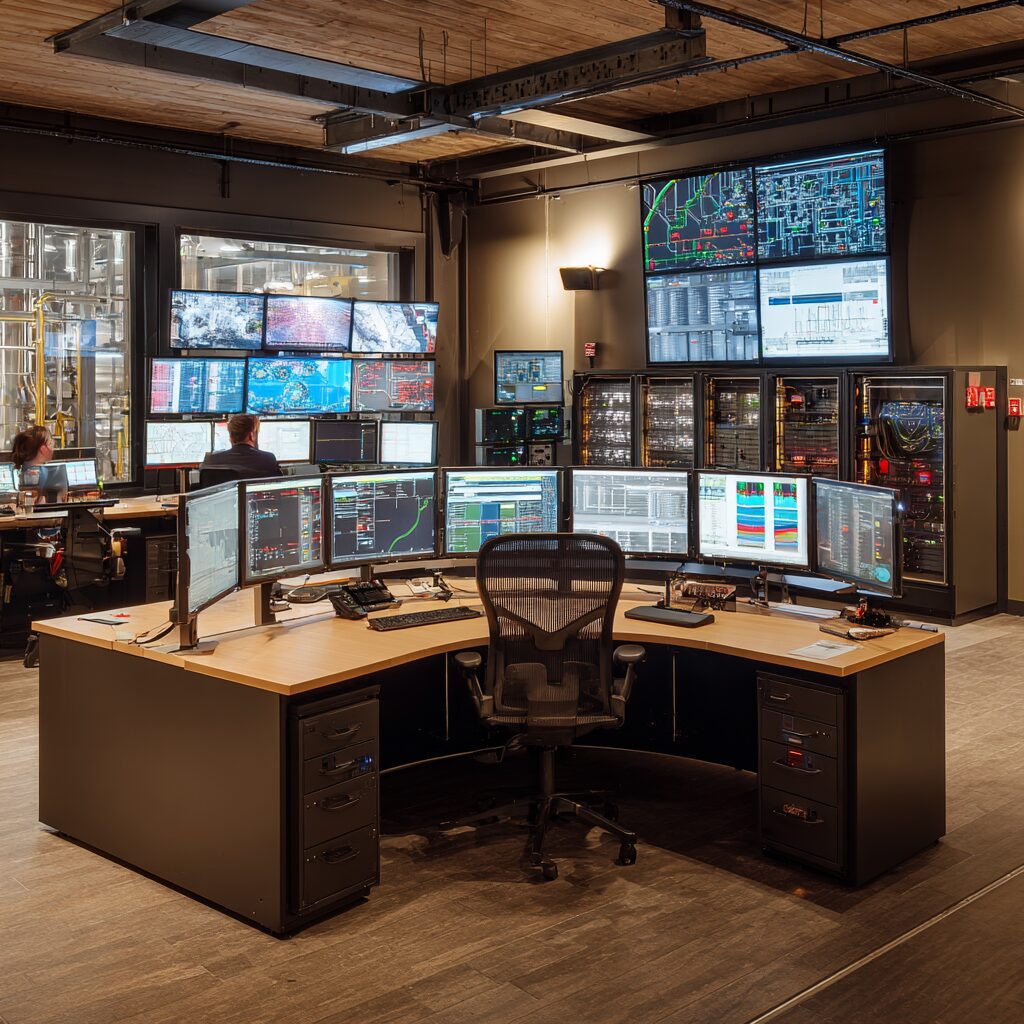
Control, crisis, and training rooms are the operational brain of the energy industry. Modernizing them is not only possible without stopping operations: when well planned, it can enhance them. This guide explains how to move forward without interruptions, with a focus on scalability, interoperability, and continuity. For years, technology rooms in Oil & Gas were conceived as closed, static spaces, often designed for the needs of another era. Today, they face a new scenario: more regulatory demands, more data in circulation, more decisions that can’t wait. And all of that with no room to stop operations. That’s why redesigning or upgrading a critical room —whether for control, crisis, or training— can’t be treated as an isolated project. It has to be part of an operational strategy, with an approach that prioritizes continuity, scalability, and simplicity in integration. At Newtech Group, we’ve worked for years with companies in the energy sector that need to renew their technology spaces without slowing down their activity. The key is how: precise assessment, modular design, technical validation, and support from the start. The first step is understanding the current state of the space: what type of technology it has, how it’s laid out, who uses it, and what needs it isn’t meeting. This initial diagnosis should include both technical and organizational aspects. Assess workflows, identify bottlenecks or inefficient visualization, understand the client’s operational culture. All of this makes it possible to define a functional design that respects the logic of daily operations and strengthens it. In parallel, the physical conditions of the space are evaluated: electrical infrastructure, cooling, connectivity, compatibility with current regulations. The goal is to avoid surprises during the build and ensure an orderly integration. Once the functional design is defined, the process moves toward a technical-construction design that considers scalability, redundancy, ergonomics, and environmental resilience. The key is to avoid generating unnecessary interruptions during the transition. A modern room isn’t defined by the number of screens, but by how information is organized and used. The solutions Newtech Group integrates are designed to improve decision-making, reinforce operational continuity, and simplify management. Among the most commonly used technologies in these types of projects —and that you can explore in detail within our equipment approach— are: All of this is integrated with real-time communication and high-quality videoconferencing platforms, often powered by Microsoft 365, as well as interoperable software with existing systems. One of the most important differentiators in these projects is how the client is brought in. Not as a spectator, but as a protagonist in the process. From the initial assessment, the operational team actively participates: real needs, critical points, and work dynamics that must be maintained are identified. Then, the number of operators, visual hierarchies, type of rooms required (primary, backup, crisis, training) are defined together, and the solution is adapted to the project’s pace. This ensures the transition doesn’t mean “starting from scratch,” but rather building on what already works, adding technology without interfering with what’s essential. In many technology redesigns, the mistakes aren’t technical, but in planning. Three of the most common are: A modern room isn’t just cutting-edge technology: it’s also a team that knows how to use it. That’s why, beyond the technical deployment, it’s essential to include an adoption and change management process: real-time testing, simulations, technical training, and clear documentation. Involving users from the start makes adoption faster, more natural, and more effective. It also prevents the technology from being underused or misconfigured. Upgrading or designing a critical room is, above all, an investment in operational resilience. When data flows correctly, teams respond better and decisions are made on time. And that translates into fewer risks, fewer losses, and greater efficiency. In addition, a room designed to scale doesn’t need to be redesigned every year. It adapts, grows, and evolves alongside operations, protecting the initial investment and maximizing its long-term value. At Newtech Group, we design, integrate, and scale critical rooms in the energy industry without compromising continuity. We conduct technical assessments, functional design, and commissioning without stopping daily operations. Contact us and let’s take the next step together.Modernizing without stopping: where to start?
Which technologies are integrated (and why)
Collaborative design: the client’s role at each stage
How to avoid the most common mistakes
Technology, yes—but also training
An investment in continuity, not an infrastructure expense
Do you want to modernize your room without stopping your operation?
Share

If you are looking for advice on technological solutions
in videoconferences please write us!
"*" indicates required fields
© 2026 All rights reserved | newtechgroup.com